


 Enquire
 Call
Call
 chat
chat
Why Intelligence Alone Isn’t Enough: The Silent Struggles of India’s Brightest Learners
By lodha
September 04, 2025
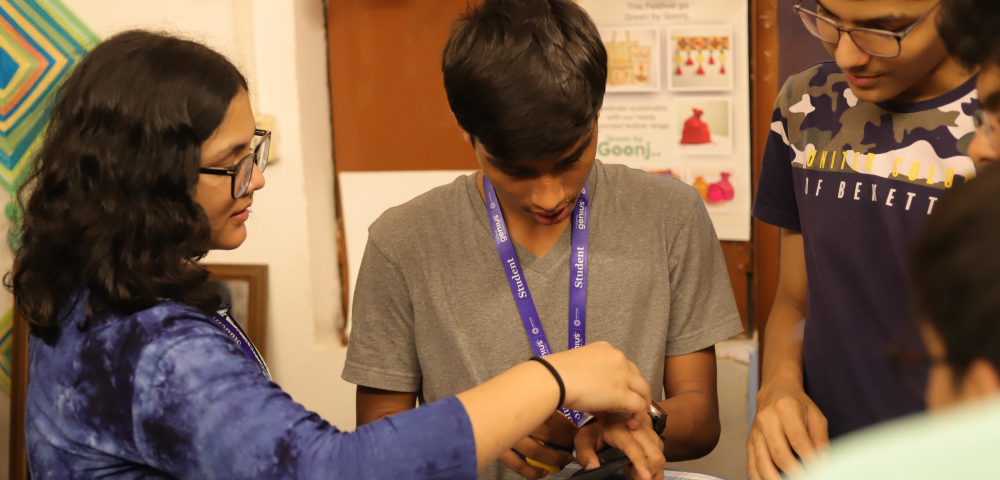
In India, intellectual ability is widely celebrated—with scholarships for students often seen as the golden ticket to academic success and future achievement. Yet, for many children with exceptional cognitive potential, intelligence is not the passport it appears to be. Despite high aptitude, a growing number of gifted students remain unchallenged, unsupported, or misunderstood within traditional schooling systems.
The reality is that IQ, on its own, is not a predictor of success. Without the right ecosystem—of a mentorship program, stimulation, and emotional scaffolding—even the brightest minds risk fading into the background.
The Limitations of IQ as a Measure
IQ testing scores offer a glimpse into a child’s ability to think logically, solve problems, and absorb complex ideas. But they are far from a complete picture. These assessments say little about creativity, perseverance, adaptability, or emotional intelligence—all of which are crucial for thriving in the real world.
In many classrooms, gifted learners may display impressive academic ability. Yet, over time, if they aren’t adequately engaged, their performance may plateau or even decline. High intelligence, if not channelled, can lead to boredom, resistance, or social isolation.
Talent, without structure and support, becomes potential unrealised.
Environment and Opportunity Are Crucial
What determines whether a gifted child thrives isn’t just intellect—it’s context. A child who is placed in a nurturing, flexible environment will often flourish. One who is forced into rigid structures may lose interest, become anxious, or disengage entirely.
India’s education system, by and large, is not designed for students who learn ahead of pace or outside conventional frameworks. These learners often face repetition instead of depth, structure instead of exploration. Many are expected to conform rather than question.
Without access to mentors, peers, and advanced material, their natural curiosity has nowhere to go.
The Role of Mentorship and Guidance
History is filled with examples of extraordinary individuals who reached their potential because they were mentored, guided, and challenged at the right time. Gifted students are no exception—they need structure, not freedom alone; encouragement, not pressure.
Without intervention, even highly intelligent children may feel isolated or frustrated. Their emotional development may lag behind their cognitive ability, or they may struggle to relate to age peers. Teachers may misread this disconnect as indifference or arrogance.
Giftedness, left unsupported, can become a silent struggle.
The Lodha Genius Programme: Creating a Nurturing Framework
The Lodha Genius Programme (LGP) was developed to address these very challenges—to offer gifted students in India a platform that extends beyond IQ scores and conventional success metrics. It is designed to convert raw potential into meaningful achievement—academically, emotionally, and socially.
1. Broad-Based Identification
LGP doesn’t rely solely on a scholarship or IQ testing. Instead, it uses a comprehensive screening process that includes cognitive assessments, interviews, and educator input. This helps identify giftedness in its many forms, including creative and non-verbal intelligence.
2. Personalised Academic Design
Once admitted, each student follows an individualised learning plan. Whether exploring advanced science, abstract theory, or cross-disciplinary themes, the curriculum is built around the learner’s interests, ensuring both challenge and engagement.
3. Expert Mentorship Program and Real-World Exposure
LGP provides access to leading experts and researchers, helping students connect theory with application. This exposure allows young minds to work on real-world problems and build relationships with professionals who can shape their growth.
4. Emotional Development and Support
Understanding that gifted students often have unique emotional needs, LGP integrates wellness practices, peer groups, and one-on-one guidance to ensure students develop emotional intelligence alongside academic competence.
5. Global Models, Local Adaptation
LGP’s academic approach is influenced by international gifted programmes like PROMYS, MIT PRIMES, and Oxford STEM Outreach, but is thoughtfully adapted to the Indian education ecosystem. This ensures relevance without compromise on rigour.
A National Imperative
In India’s rapidly evolving knowledge economy, innovation and leadership will increasingly rely on our ability to identify and nurture talent from an early age. This requires a fundamental shift in how we define and support intelligence.
High IQ must be matched with opportunity, challenge, and care. Without these, even the most gifted learners can lose their way. The Lodha Genius Programme stands as a powerful example of what becomes possible when we stop seeing intelligence as an endpoint, and start treating it as a beginning.
Because real success isn’t just about how bright a child is—but about how brightly they are allowed to shine.



Recent Blogs
 Lodha Life
 Lodha Industrial Park
 Design & Architecture
